Anchor note
Know where the harmony lives relative to the lead before chasing expression.
Harmony Practice
Harmony practice gets easier when the singer knows exactly where the extra line enters, how long it stays, and what role it plays against the lead. Harmonade helps you sketch that reference stack first so rehearsal becomes repeatable instead of trial and error every take.
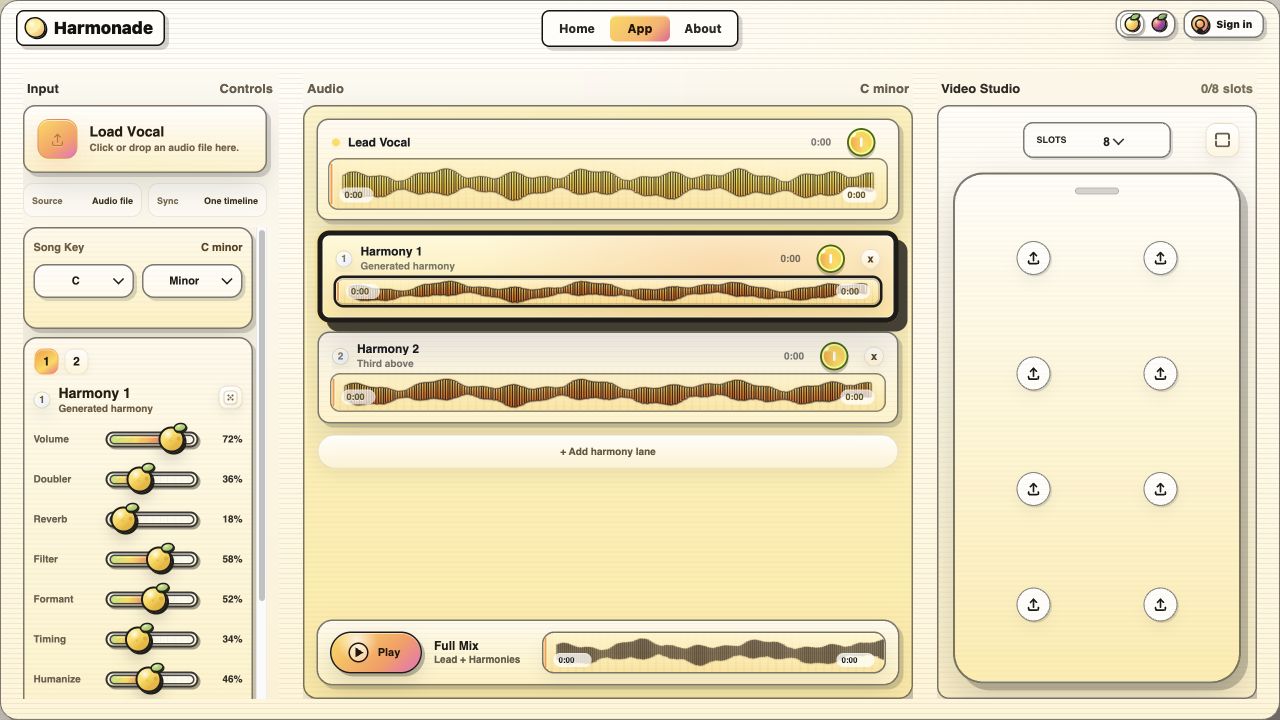
Practice first
Many singers can hit the notes once they understand the job of the line. This page is more rehearsal-focused than vocal harmonizer and more performance-focused than background vocal arrangement. The goal is not only to design the stack, but to make the part easier to learn and repeat.
If the arrangement is still changing, plan it first. If the arrangement is already decided and you need the part to feel stable in your body, keep going here.
Rehearsal map
Know where the harmony lives relative to the lead before chasing expression.
Rehearse the exact beat or word where the part starts so the entrance stops feeling late.
Notice where the line stops being support and becomes lift, answer, or section glue.
Practice how the part releases so the next lyric does not feel crowded by the previous layer.
Creator outcome
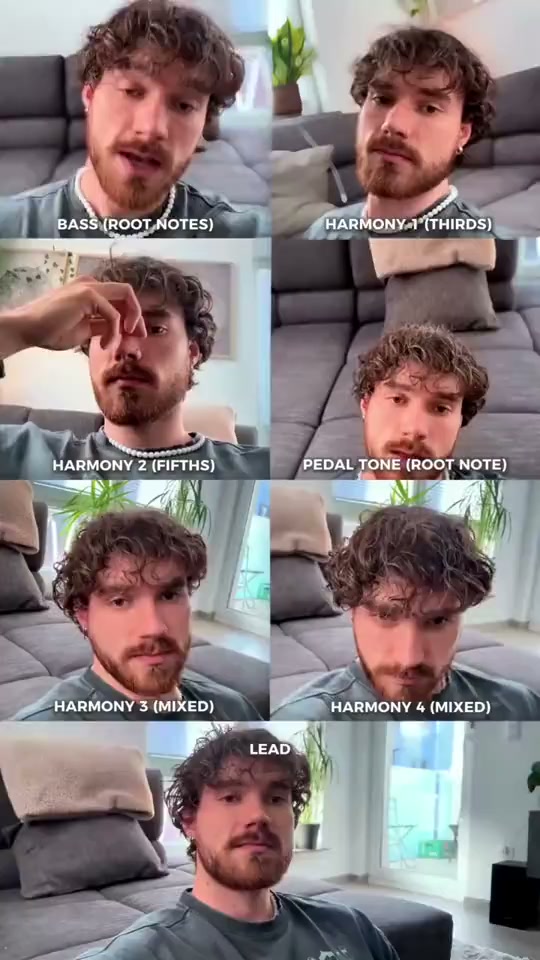
Harmony practice is not only about tuning. When a singer trusts the part, they can perform it more cleanly on camera, split it across panels, or stack it in one pass without freezing at the transition. That makes this a practical support page for duet with yourself, a cappella arrangement, and other creator workflows.
Related pages
Ready