Start on the dry or near-dry lead, then let the support voices widen the second half of the phrase.
Social Singing Clips
Short singing clips work better when the harmony idea is clear before the export.
This intent sits between music production and short-form publishing. Harmonade helps creators move from one lead vocal into a stack that still reads fast on camera, in headphones, and inside a swipe-speed feed.
Hook-first pacing
Harmony reveal
Cover-ready export
Short visual payoff
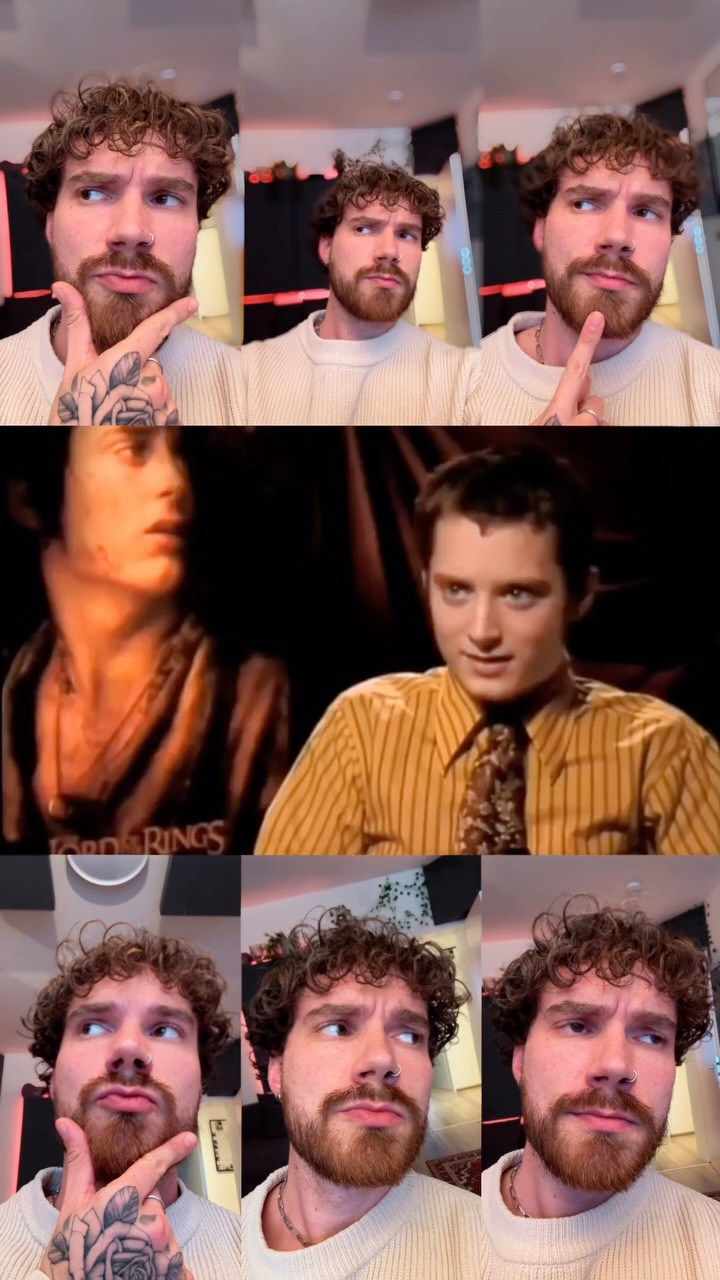
Lead first
The first line still has to land before the support voices start widening the moment.
Stack on purpose
Use the harmony entry to create the visual payoff, not just a louder chorus.
Build for mobile
The clip should survive muted autoplay, narrow framing, and fast replay loops.
Keep editing simple
One workflow can feed a cover clip, a reel, or a vertical teaser without rebuilding everything.
Intent boundary
This is not just a vocal effect query.
Searches around social singing clips usually mean the creator already understands the song and now needs a practical route from vocal idea to postable moment. That is broader than a pure vocal harmonizer search and more workflow-heavy than a single vocal doubles fix.
If the main job is arranging the hook of a familiar cover, use cover song harmonies. If the bigger problem is the 9:16 frame itself, jump to vertical singing videos.
What creators usually want from this workflow.
A fast hook moment
The first seconds give the viewer a voice, lyric, or reveal worth staying for.
A readable stack
The harmony helps the clip escalate without burying the line that people are meant to remember.
A publishable export
The session ends in a short clip shape instead of stopping at a rough audio sketch.
Workflow
A practical route from one lead to a short-form clip.
Build the clip around one visible payoff.
Most good singing clips do not try to show every production idea at once. They choose one payoff and structure the stack around it.
Lane 1
Open with the line that already works dry.
If the lead has no pull on its own, extra harmonies rarely save the clip. Start where the lyric or melody already has tension.
Lane 2
Add the smallest useful harmony move.
That could be a single upper third, a lower answer, or a wide support bed. The reveal works better when viewers can hear what changed.
Lane 3
Export the moment that replays cleanly.
Good short clips often end where someone would naturally want to hear the hook again, not where the full song section technically ends.
Clip formats
Three clip shapes that fit Harmonade especially well.
These are not random content ideas. They are repeatable formats where the vocal stack itself is the point of the post.
Show the plain take first, then cut to the stacked version once the harmony plan is locked.
Let each visible performer box represent a real harmony job instead of duplicating the same line visually.
Related pages
Use the narrower page when the job is more specific.
Ready